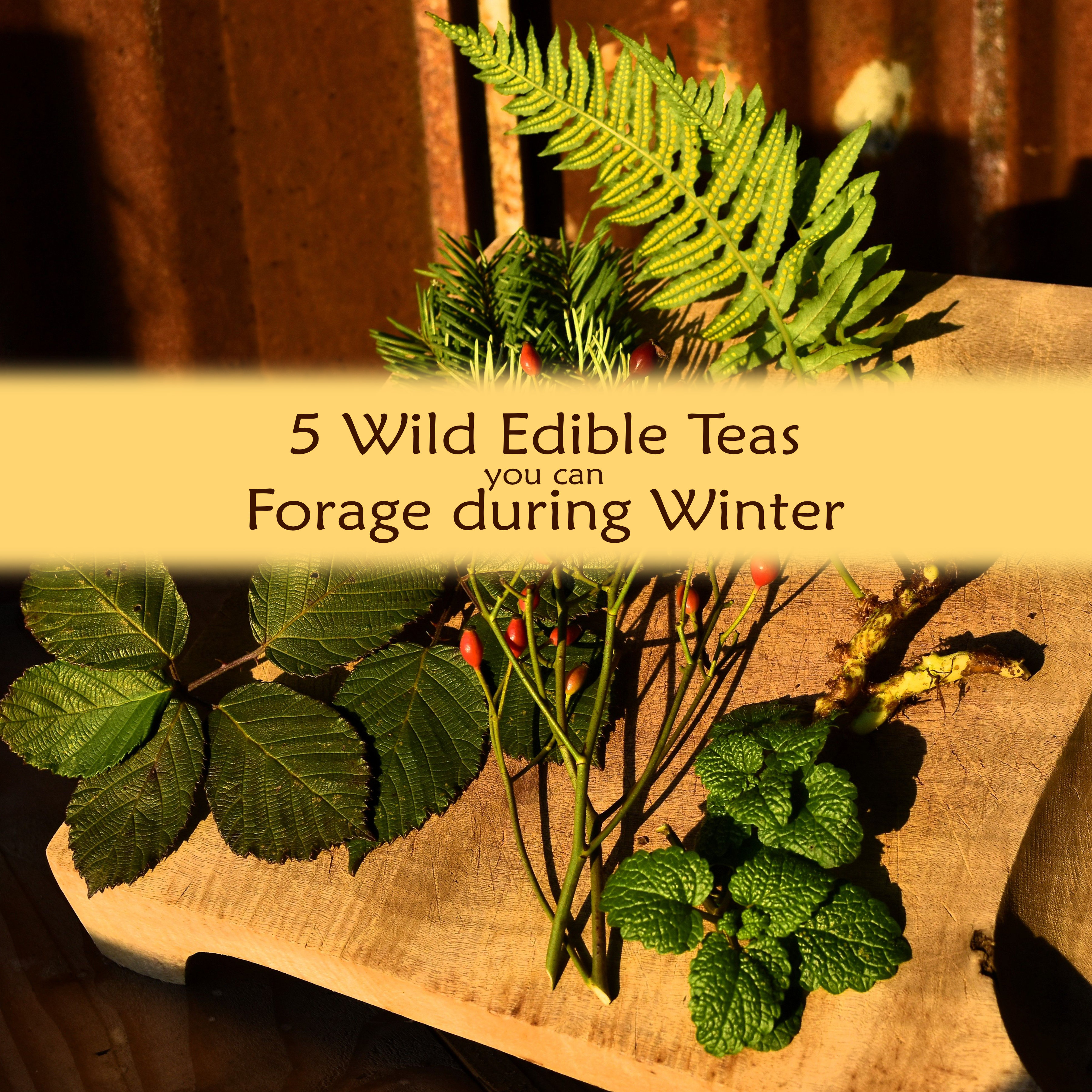
Tea* is often synonymous with healing. We drink it to feel alert, to calm our nerves, to ease illness, and to help us sleep. It’s nothing less than a warm comfort. But the Pacific Northwest holds its own quiet secret: even in the coldest months, the landscape is full of plants that brew into remarkable teas. When the temperatures dip below freezing, these wild “warm comforts” are still waiting to be gathered.
Below are five wild teas you can forage and enjoy right now, even in the heart of winter.
🍵
#1 Douglas Fir Needles
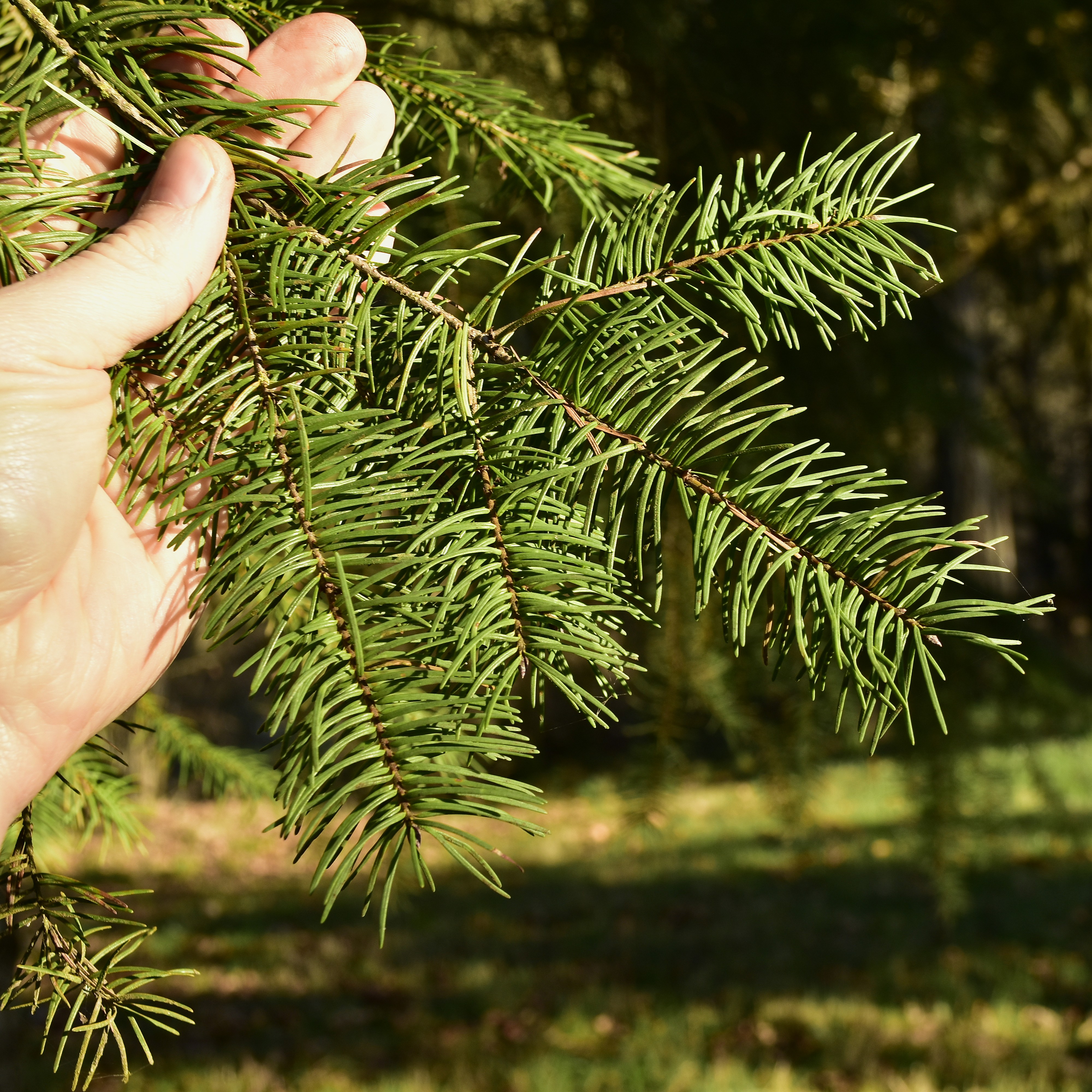
When you live in the Pacific Northwest, it’s impossible to miss a Fir tree (Pseudotsuga menziesii)🌲. Aside from its infamous use as timber, the needles of the Fir tree can make a nutritious tea. It is very often repeated that a single cup of tea made from the needles has 5x more vitamin C than a lemon, albeit my research# shows that these values are based off similar conifers, inferring a similar inheritance. Additionally, vitamin A is present, as well as many powerful antioxidants such as pinene, sabinene, and terpinolene. It’s the perfect brew during the winter months when immune support is so important.
Choice tea will be collected from the young needles during springtime and brewed fresh; however, needles year-round are still beneficial. The flavor changes from a bright, citrusy taste (fresh needles) to more of any earthy, resinous flavor (aged needles). Collecting is straightforward and can be done one of two ways. 1) A small section of a low-lying branch can be removed and processed at home or 2) needles can be stripped off the branch on site. In either case, exact removal depends on how you want to enjoy your tea.
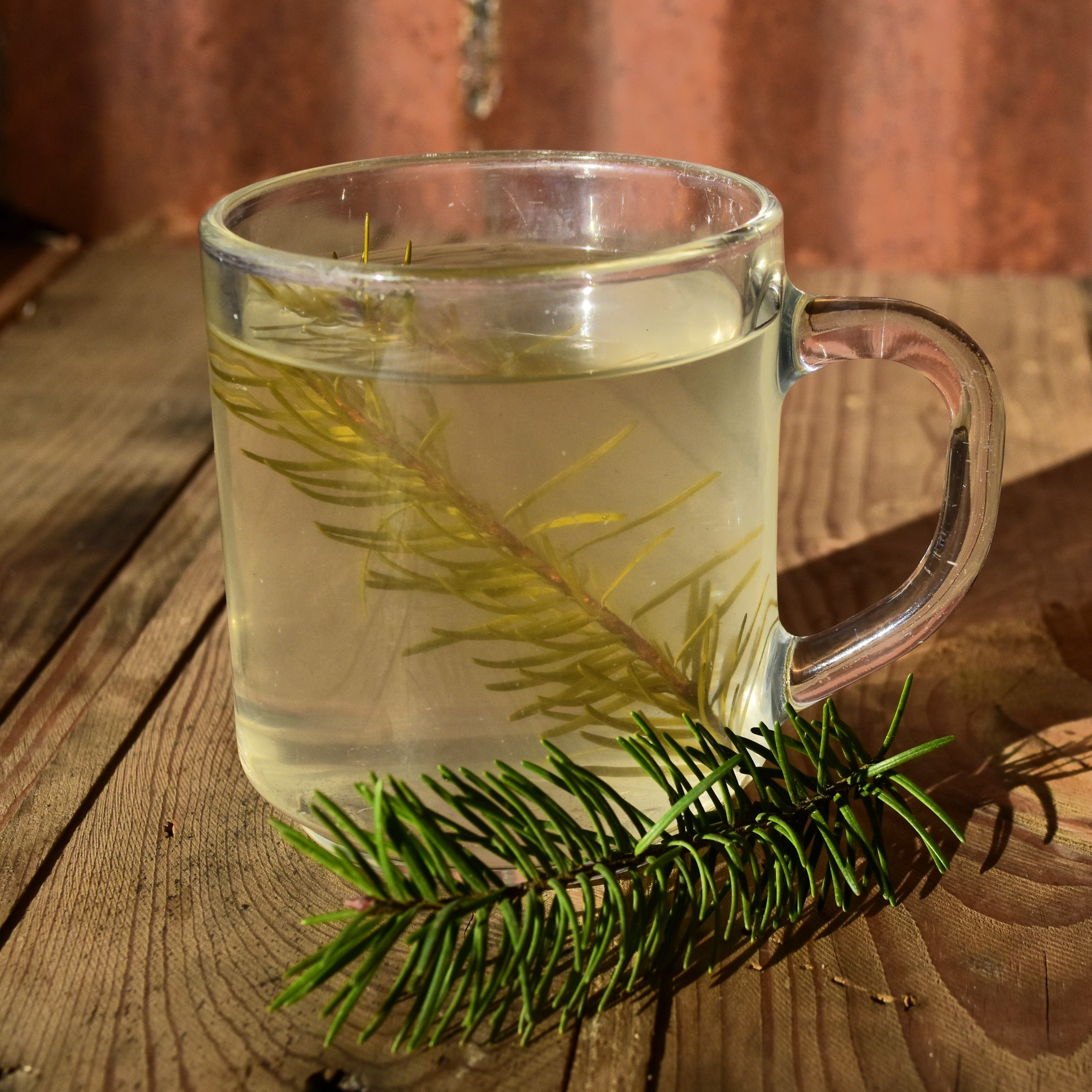
For example, you can simply clip off the bottom 3 inches of each terminating branch segment and brew it whole, with needles on stem. Alternatively, you can grip the end of a branch with one hand and with the other hand pinch and pull up the needles, pulling against the grain, removing a handful of needles. You may want gloves for this process unless you enjoy sticky hands. When brewing your needle tea, it is important to steep it (10-15 min) in near boiling (210°F) water but never cook it. The high temps of boiling will destroy the sensitive, beneficial compounds.
Many other conifers can be used in much the same way. Trees such as Pine, Spruce, and Western Hemlock (Tsuga spp., not Conium maculatum) are just a few examples. However, one should use care to never consume Yew (Taxus spp.), since it is highly toxic. ☠️
🍵
#2 Rose Hips
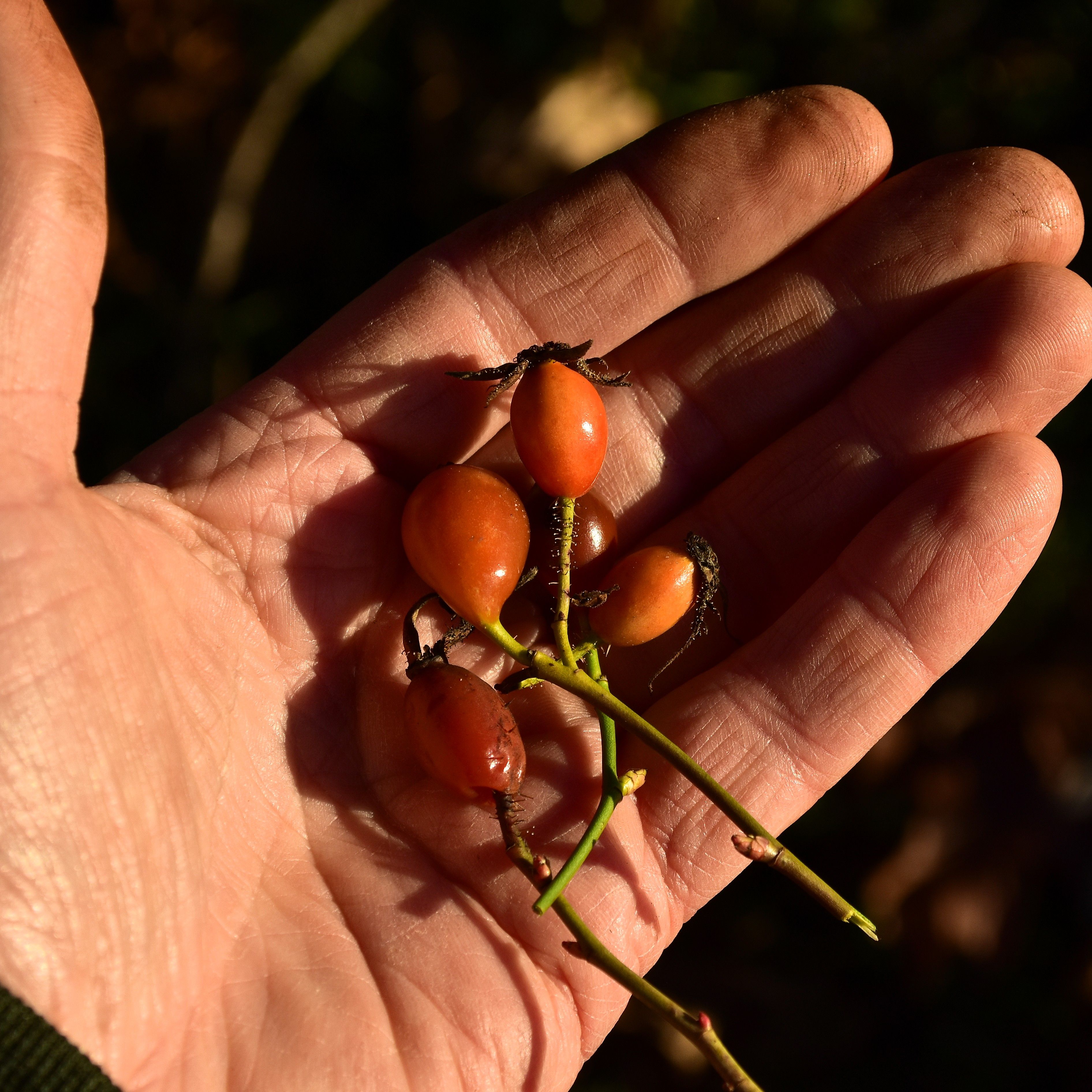
The Pacific Northwest is home to many wild roses (Rosa spp.), four of which are native and a handful of others which have become naturalized. Although they may vary in size, quantity, and flavor, the hips from all of these different varieties can be used for tea. The very design of rose hips, such as a thick skin, low moisture content, and high tannins, help them survive well into the winter months. A much-appreciated gift to an otherwise scarce season.
Rose hips are packed with vitamin C and antioxidants such as polyphenols, carotenoids, and flavonoids. For this reason, rose hip tea has been a traditional folk remedy for the common cold. Modern research# suggests that rose hips may even help lower LDL cholesterol and support healthy blood sugar regulation as well as fight cancer. Just one more reason to add this pseudo-fruit to your arsenal!
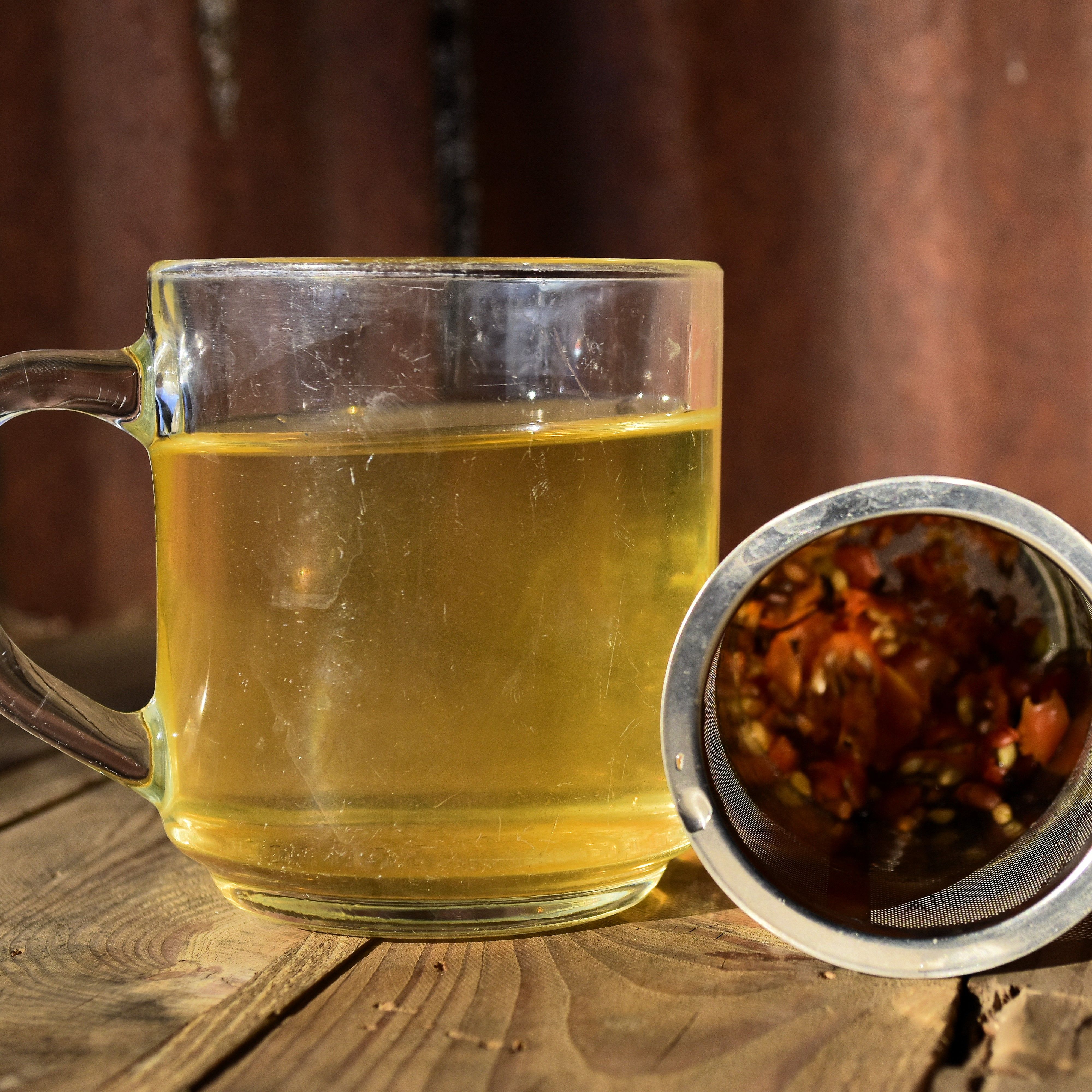
The general flavor profile of Rose Hip tea is fruity and slightly tart. The best tea comes from fresh, slightly crushed fruit. Preservation through dehydration still makes an acceptable tea, however. In order to brew, a low simmer for 10-15 min will extract the most flavor while preserving delicate nutrients. Avoid heavy boiling.
A special note when making this tea is the presence of tiny, stiff hairs that surround the seeds inside. In order to avoid potential mouth irritation, a good strainer is recommended to filter these out.
🍵
#3 Blackberry Leaves
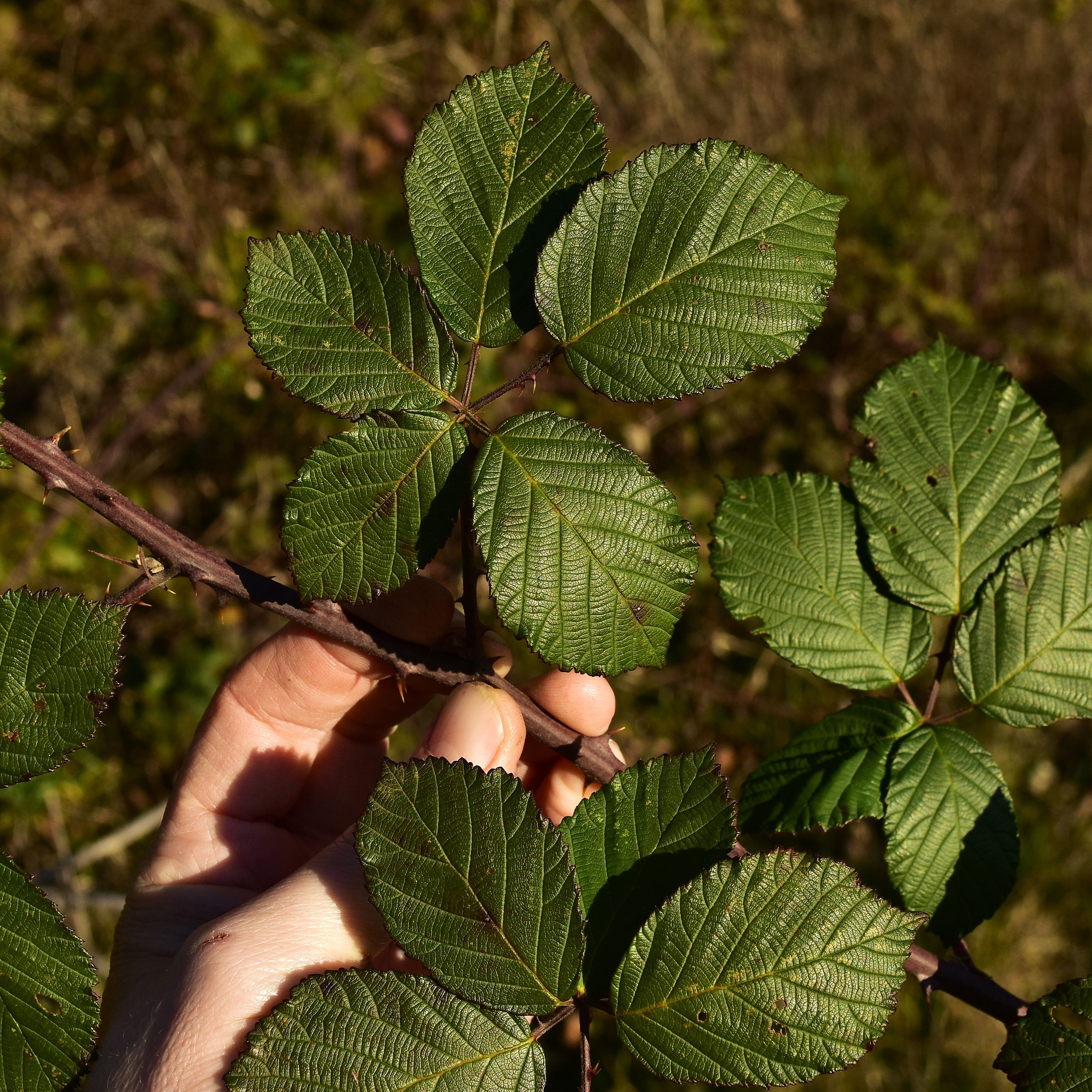
All varieties of blackberry as well as raspberry growing in the Pacific Northwest are edible. This includes the invasive Himalayan Blackberry (Rubus armeniacus) that we’re all too familiar with. In addition to its tasty fruit, its leaves make a fine tea! This is due to its high tannin content, creating the mouthfeel we’re so familiar with. Because of this, both flavor and body create an accurate substitute for green tea. But wait! There’s more…
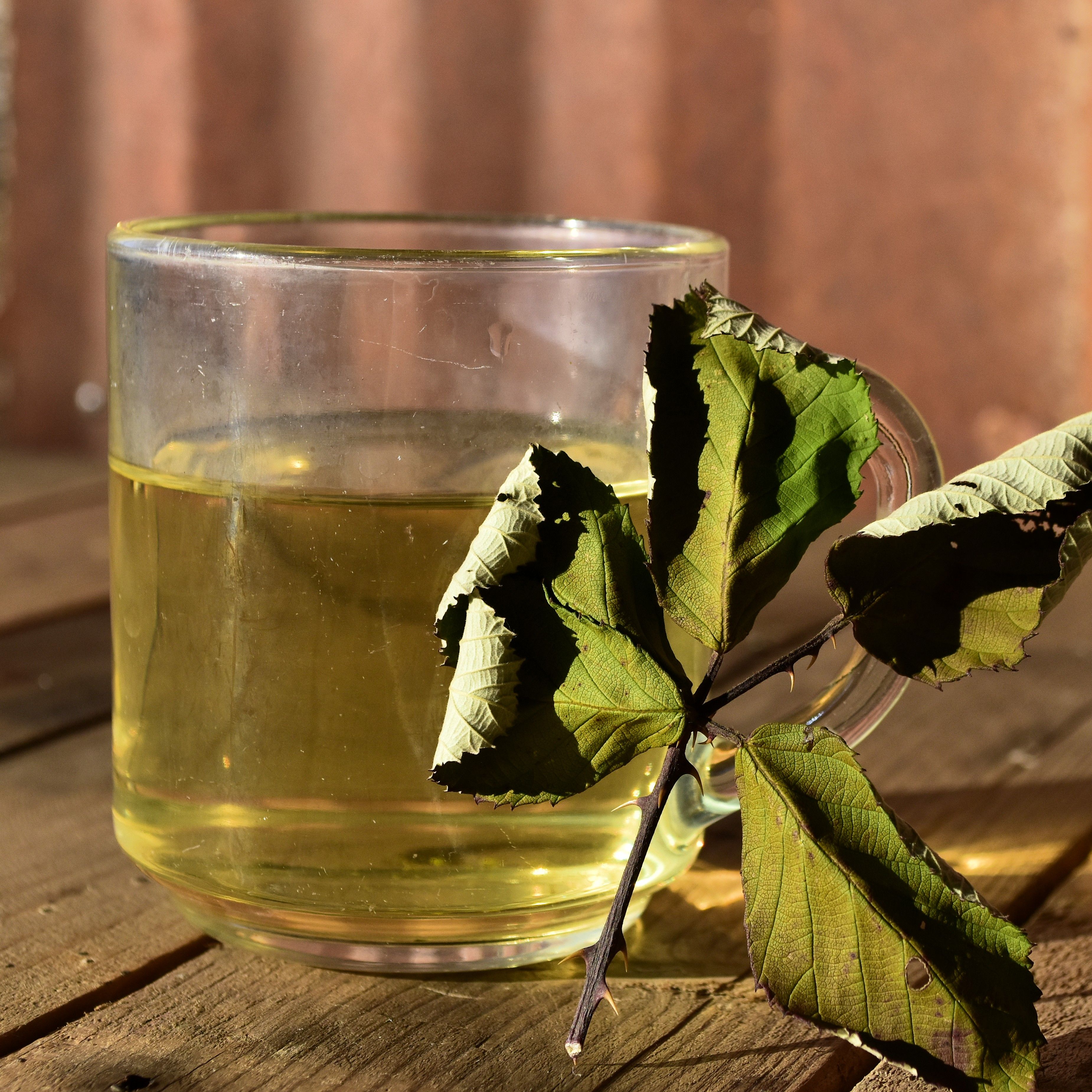
Recent studies# suggest that the leaves of blackberry plants are loaded with vitamins, minerals and antioxidants. Reports show considerable amounts of vitamin C, vitamin K, vitamin E, calcium, magnesium, iron, potassium, phosphorus, zinc, copper, and manganese. Flavonoids such as quercetin and kaempferol; phenolic acids such as caffeic and ellagic acids; and triterpenes were also present.
To enjoy blackberry leaf tea: 1) collect and dehydrate clean, whole leaves 2) carefully remove from the thorny leaf stem and crush the dried leaves 3) steep 1-2 tablespoons in near boiling water for 10 min.
🍵
#4 Licorice Fern Rhizome
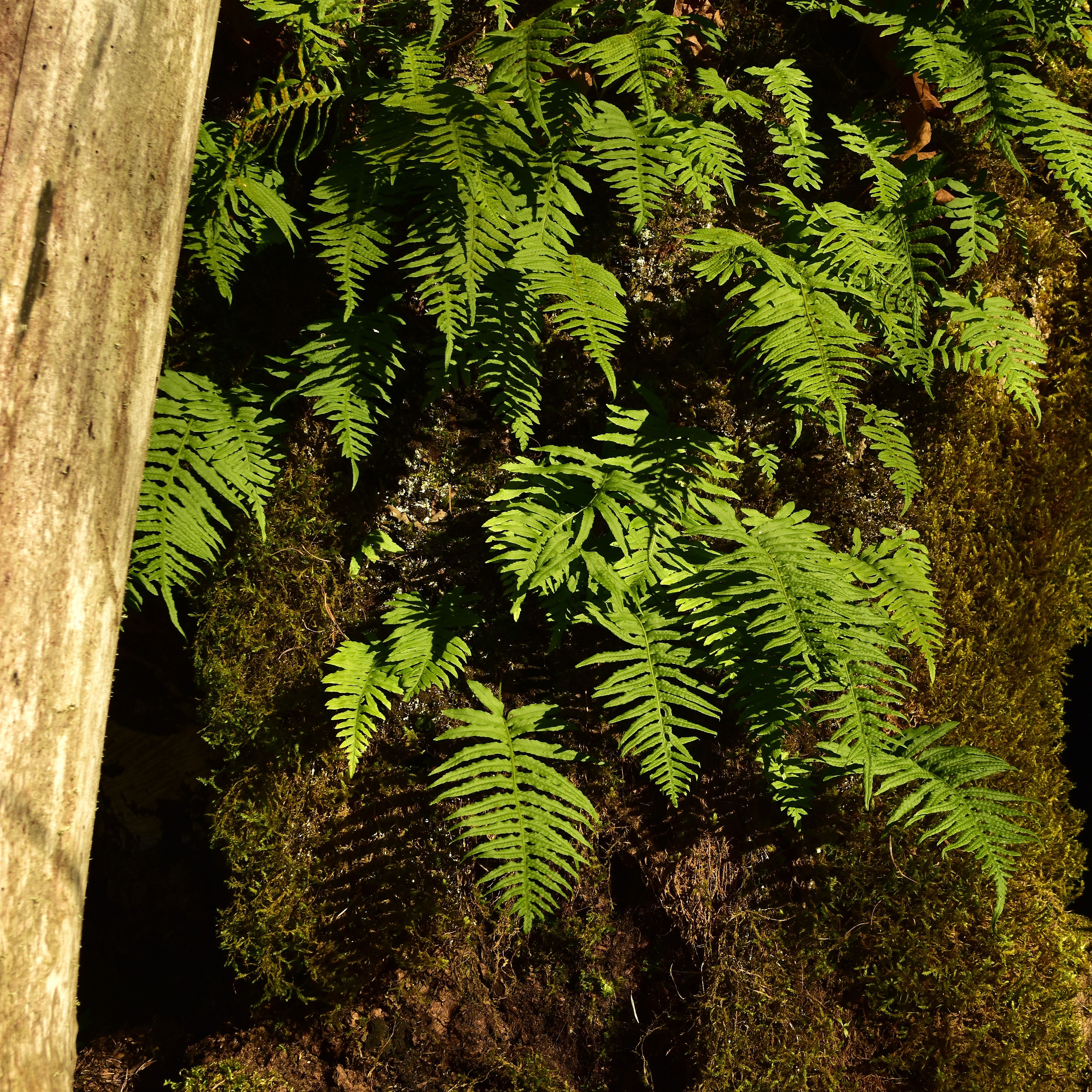
Although not an exclusivity to the Bigleaf Maple, this tree happens to provide a very specific environment ideal for an epiphyte such as the Licorice Fern (Polypodium glycyrrhiza). That’s because the structure of this tree’s bark creates the ideal conditions for a thick blanket of moss to grow, and the moss in concert with the Bigleaf Maple, creates the ideal conditions for Licorice Fern to grow. It’s also believed another contributor, mycorrhizal fungi, supports this beneficial loop. The three help provide nutrients to the Bigleaf Maple.
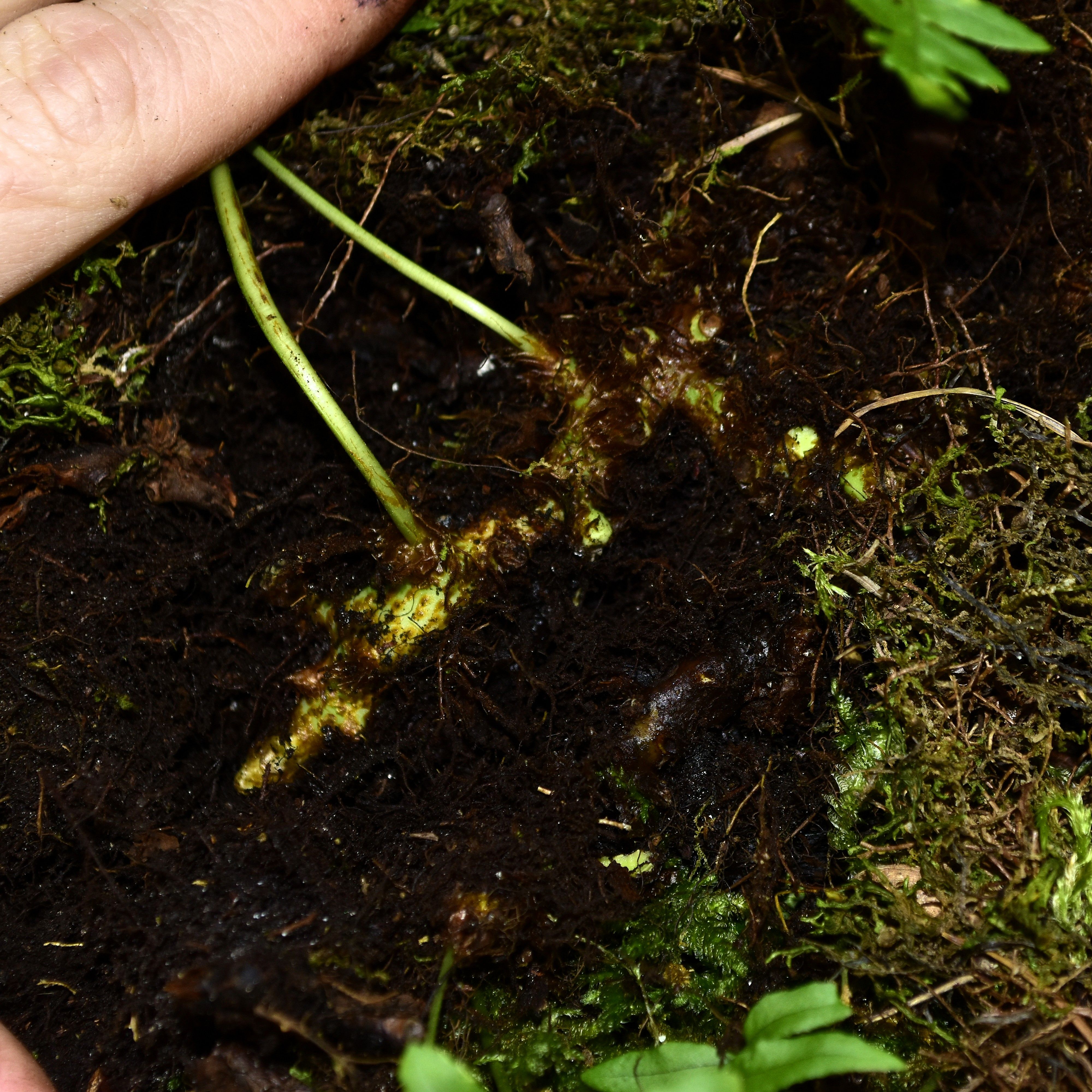
Licorice Fern spreads by rhizomes, producing new fronds and anchoring itself with small feeder roots. Unlike other native ferns, Licorice Fern is dormant during the dry, summer months, and grows during the wet, cooler months. That means even during the winter season you can find prime, green rhizomes for harvest.
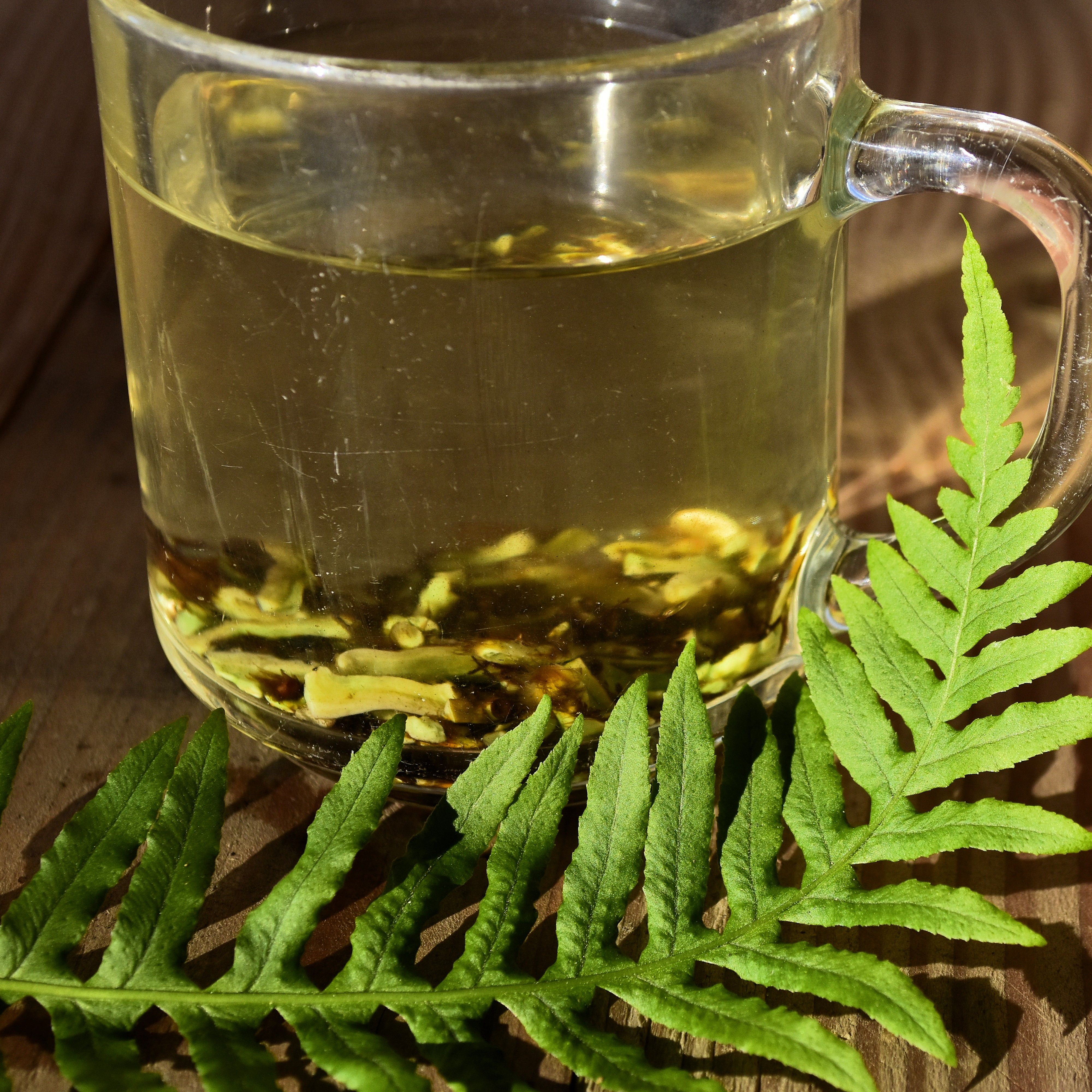
Licorice Fern has a flavor that tastes like, you’ve guessed it, licorice! It’s this very quality that has made it a historically popular cold remedy. The rhizome contains glycyrrhizin, the same compound found in true licorice root, which is responsible for relieving a sore throat. To make a tea, harvest the fresh green rhizomes with care, being sure not to disturb anymore of the rhizome structure than is necessary. (Remove small pieces randomly from large patches and tuck back any disturbed moss.) Carefully scrape off any roots or debris from the harvested rhizome before dehydrating. You can steep 1-2 tablespoons in near boiling water for 10 min. Enjoy with honey!
🍵
#5 Lemon Balm Leaves
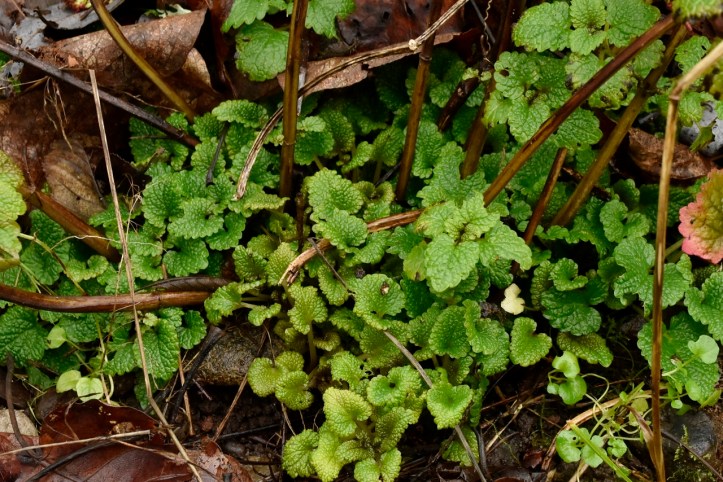
Lemon Balm (Melissa officinalis) is a member of the mint family, and it shares many qualities, including strong aromatics. Originally introduced to North America, Lemon Balm quickly naturalized itself, now to be found as a weed. Its popularity as a medicinal and culinary herb is what inspired settlers to bring it along. Today, Lemon Balm is gaining traction again and is being hailed as a super remedy# used for treating anxiety, stress, insomnia, indigestion, improving cognitive function, and used as an antiviral.
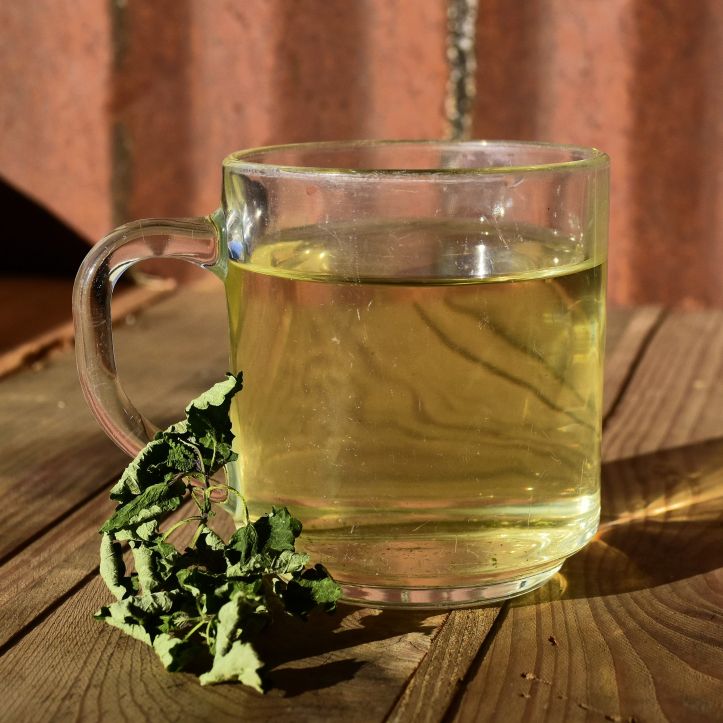
During the winter months, Lemon Balm leaves can still be found in protected pockets. Keep an eye out for yester-years dried flowering stems. Often there will still be usable leaves at the base. The leaves could easily be confused for other plants in the mint family, however, crushing and smelling the leaves will remove any doubt. The fragrance is distinctively lemon. This smell translates well into a brightly scented tea.
The flavor is more straw-like in my opinion, making this a great candidate as an ingredient for a mixed herbal infusion. For example, mixing together some rose hips and blackberry leaves would add body and a bit of zing. Harvest by pinching off the top 2 inches of stem with leaves. Dehydrate, crush, and steep 1-2 tablespoons in near boiling water for 10 min.
🍵
Conclusion
This list represents a small portion of usable teas found in the Pacific Northwest. I hope it inspires you to learn more about this amazing region of ours. Of course, if ever in doubt, do not eat! If you found this article useful, please “like” it. Subscribe to receive updates on future articles. Thank you for reading and as always,
Happy Foraging!
All photographs of Henry Holly are the original work of the creator and are fully protected under U.S. and international copyright law. Commercial use, reproduction, distribution, or modification of these images is strictly prohibited without prior written permission.
Non‑profit organizations — including universities, state and national parks, educators, and conservation programs — are encouraged to reach out to request permission for approved educational use.
*True tea by definition is harvested from the Camellia sinensis shrub. All forms which we are familiar with (White, Green, Yellow, Oolong, Black, and Pu-erh), come from this shrub. For the premise of this article, when the word “tea” is used, it will be referring to an herbal infusion.
#References
–Comparative Antioxidant and Antimicrobial Activities of Several Conifer Needles and Bark Extracts
–Therapeutic Applications of Rose Hips from Different Rosa Species
–Blackberry Leaves as New Functional Food? Screening Antioxidant, Anti-Inflammatory and Microbiological Activities in Correlation with Phytochemical Analysis
–Nutrient Analysis of Blackberry Leaves
–Licorice Fern (Polypodium glycyrrhiza)
–Medicinal Plant of This Week: Lemon Balm
–What Is Lemon Balm Good For?
Discover more from The Northwest Forager™
Subscribe to get the latest posts sent to your email.
 The Northwest Forager™