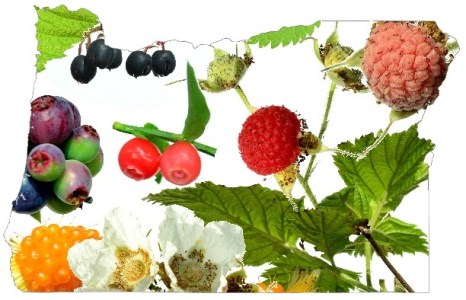
If you’re anything like me, you likely feel that springtime zips by quicker than you’d like. I’ll share a little secret with you, and I won’t even ask you not to tell. Foraging in Oregon’s high desert mountains is like getting a second chance at the spring rush. That’s because at elevations over 7,000 feet, springtime has just begun in June. Meanwhile, in the Willamette Valley, we’re already knocking on summers door. This is great news for those of us who may have missed the short window on a choice edible.
What choice edible you may be wondering? I’m glad you asked… Morels, why not! As it turns out, mid-May and into June marks morel season at these higher elevations. In fact, two weeks prior to filming my video I had the joy of going on a Morel hunt in the Blue Mountains and we found a bounty large enough to complement our dinner.
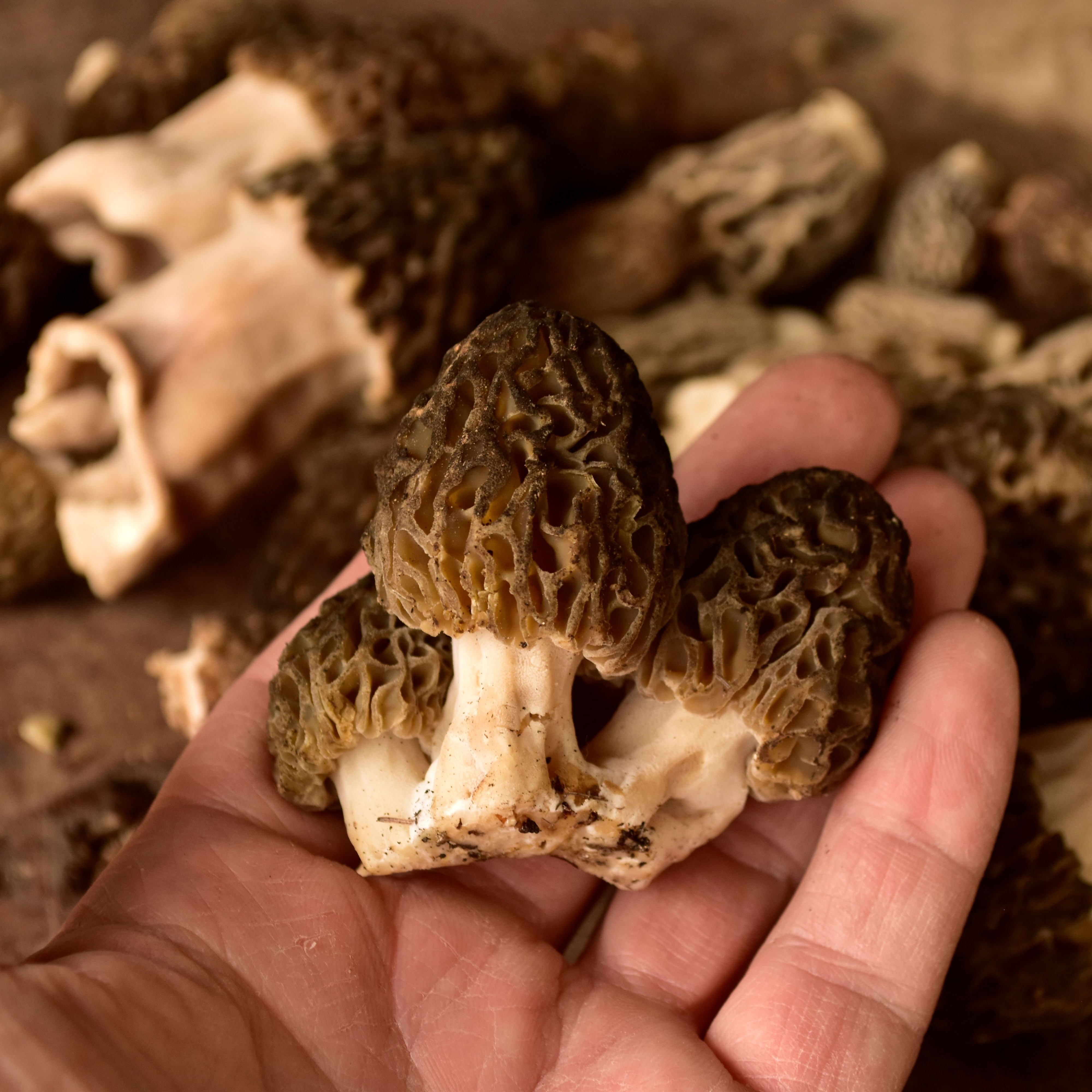
My first hike on this trip takes me to an area I’ve yet to find any Morels. I know, by rights, they would grow at this location, but would my timing be correct? Did someone already pick them all? Was the soil going to be warm enough? Afterall, my hike took me close to 8,000 feet. High enough that it had even frosted the morning of. I took a soil temperature reading. It was 37F degrees. As a general rule, Morels don’t like to fruit until soil temps reach 53F degrees! So far it wasn’t looking too good for my initial hunt. But then, I found one!
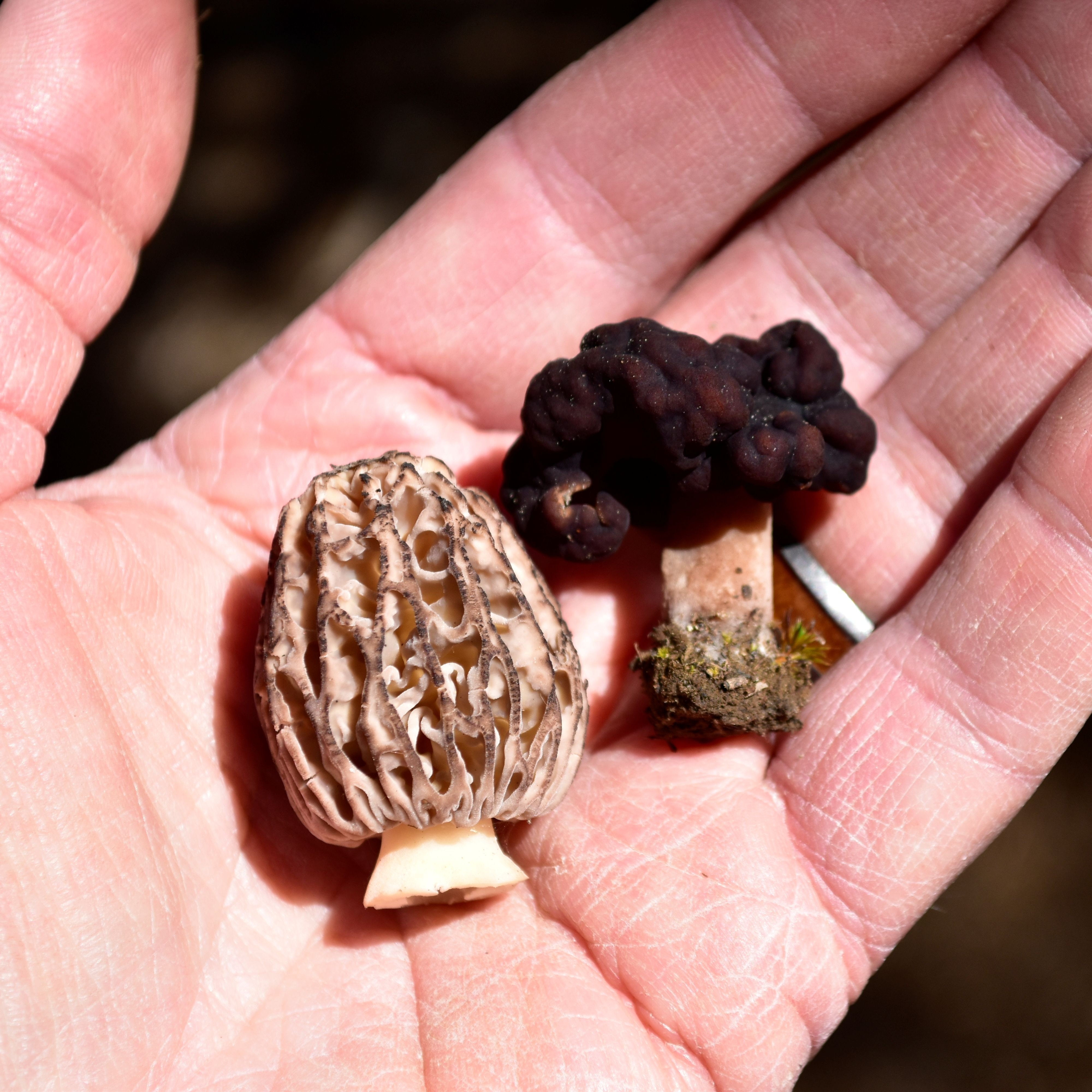
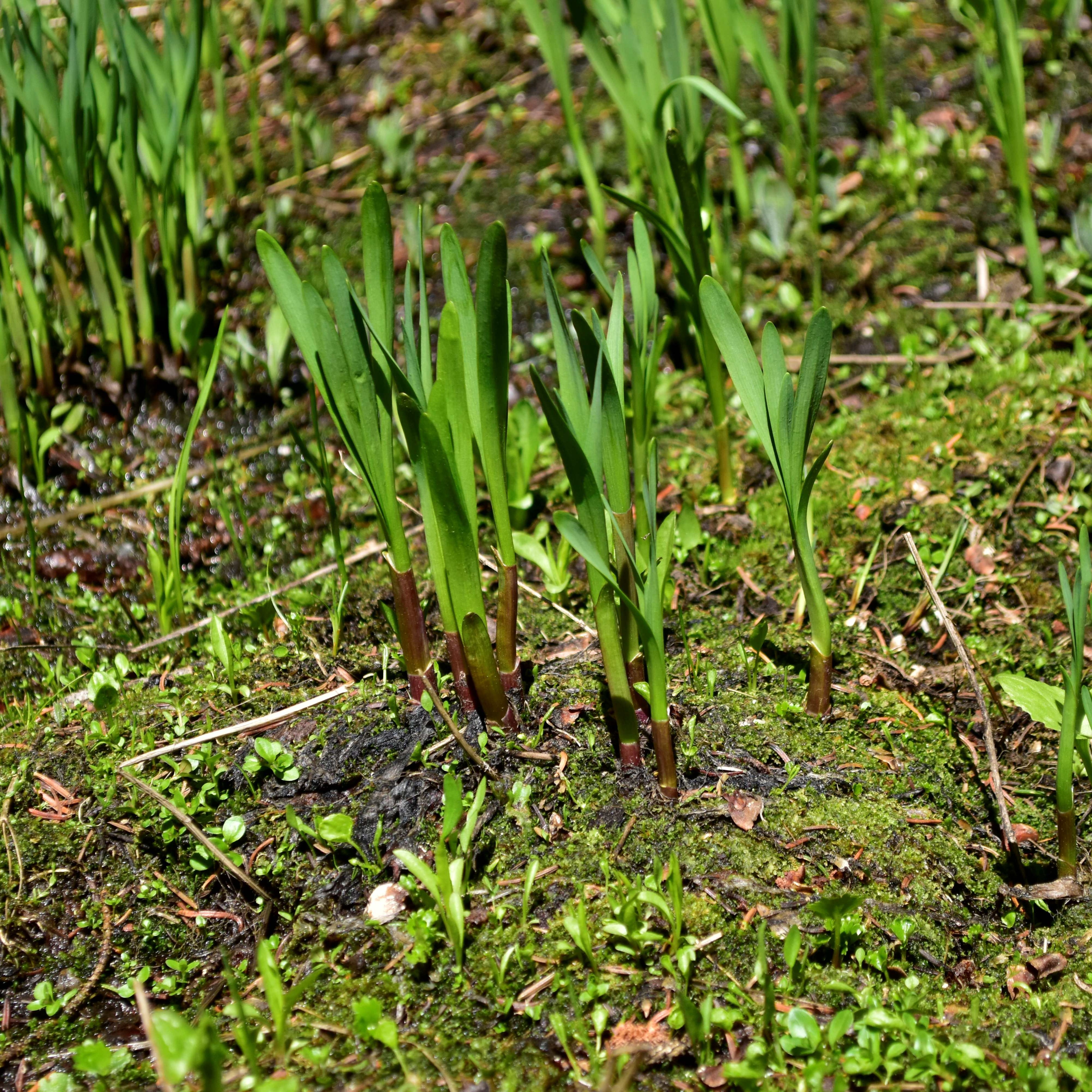
Now, you might think that finding a Morel so early in the hike would be such a great thing. I’m not complaining, but in some ways, finding a single morel can actually be the worst thing for your morale (hehe). Because for the next few hours, my hopeful eyes scoured every inch along the trail with no further sightings. Thankfully, I had a second goal to this second-chance spring hunt. Because even if my timing for Morels was off, I knew this mountain terrain had more to offer. Continuing my way up the trail, crossing a small steam, a glimmer of hope! Looking like blades of grass, my suspicion was peaked. Examining a piece which had been kicked off by a hiker, I confirmed my suspicion with a sniff test! I had found Wild Onion!
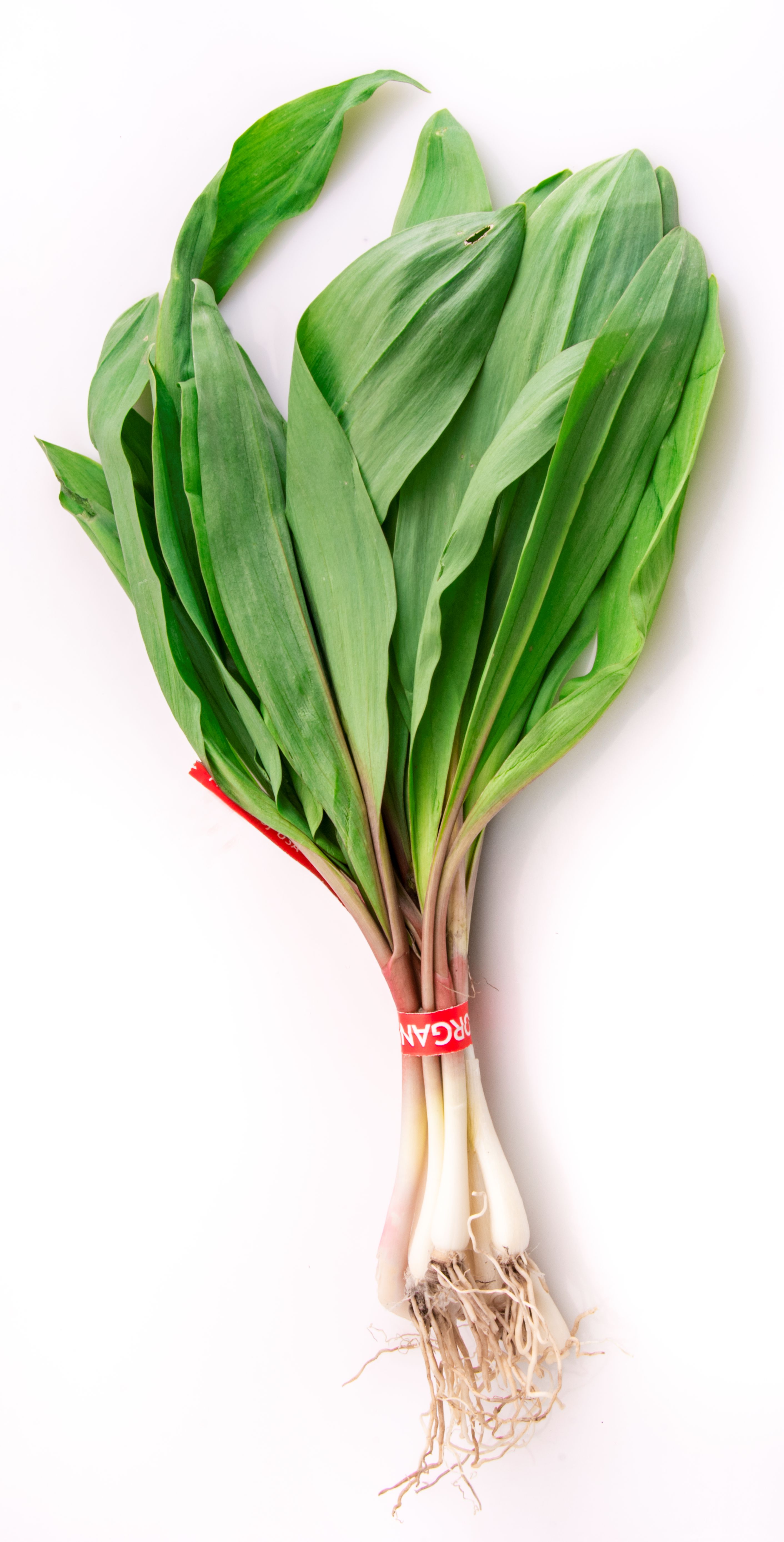
(SIDE NOTE) In the mid-west there’s a wild leek called Ramps (Allium tricoccum) and it’s the sought-after Allium, prized for its large leafy greens and tender bulbs. Even if we’re missing out on those prospects, it doesn’t make me jealous. In the Pacific Northwest, it’s quite possible that we have at least a few very tasty wild onions that would give ramps a run for its money.
Did you know?
There are over 40 documented unique species of wild Allium in Oregon alone! Allium is the genus of all true onions, garlic, chives, scallion, leeks and shallot. All true Allium plants are considered edible, although many wild Alliums are not worthwhile as a food. In many cases, the food value is lacking due to being too fibrous or too bitter.
Sulfur-based compounds give Alliums their signature flavor and aroma. Those compounds in addition to high inulin are the very reason why Alliums can really upset your stomach if eaten in excess. Don’t believe me? Just ask someone who ate too much garlic… Many wild Alliums are no exception.
On that note, the genuine danger comes from mistaking Death Camas for an Allium, because the two often grow in similar habitats. Death Camas even has a similar looking bulb and plant structure. Unlike true Alliums, Death Camas does not have any sulfur-based compounds and will never, ever smell like an onion or garlic. Secondly, all true Allium flowers (inflorescence) are in the shape of an umbel (an umbrella-like structure). Death Camas flowers are arranged alternately on a spike. Best practice is to always verify any gathering of Wild Onions by following the flower to the plant, and plant to bulb. Crush any part of the plant and there should be no mistake it’s an Allium. This practice is most important when digging up clusters of bulbs, especially where there’s the possibility of accidentally unearthing Death Camas in the mix.
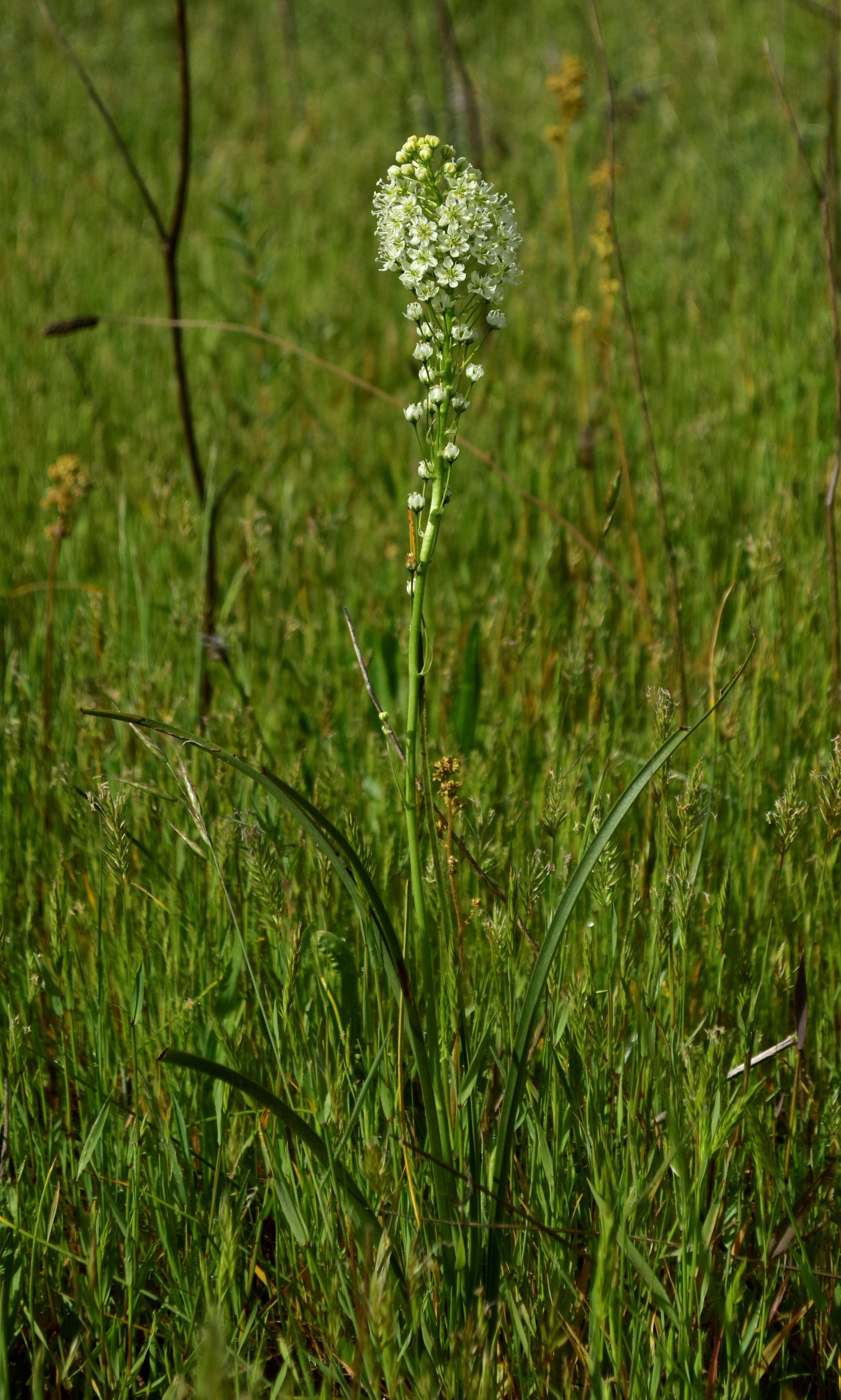
What I had initially thought was the discovery of Nodding Onion was soon turned on its head once I’d taken a closer look. These onions loved growing in consistently wet soil. Along streams, seeps, and even a boggy lake meadow where they were found in abundance. Examining its structure revealed that this onion didn’t grow from a true bulb. While some literature describes Nodding Onion as having a sort of rhizome, nothing quite matched what I was seeing. Other than that, Nodding Onion is described as a plant that doesn’t like having consistently wet feet.
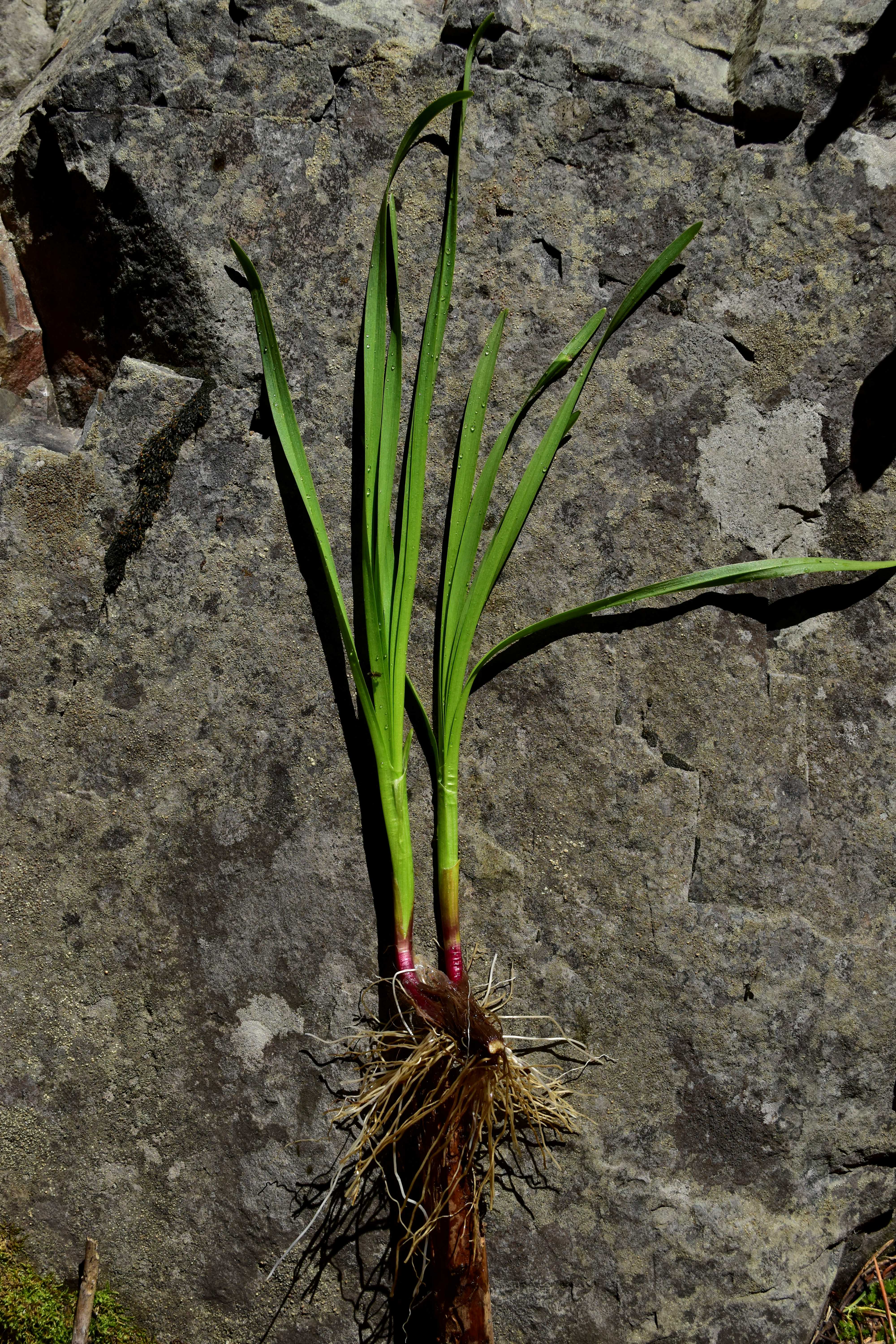
This onion had some very specific features: A dense, fibrous rhizome, a long, narrow “bulb” with a bright red base, garlic/grass-like leaf blades, and no nodding inflorescence. Using OregonFlora.org to search out which onions have been spotted and documented in this location, I was able to determine with a little further research that I was looking at the Swamp Onion (Allium validum), aka Pacific Mountain Onion. Wait a minute… Swamp… Mountain… duh!
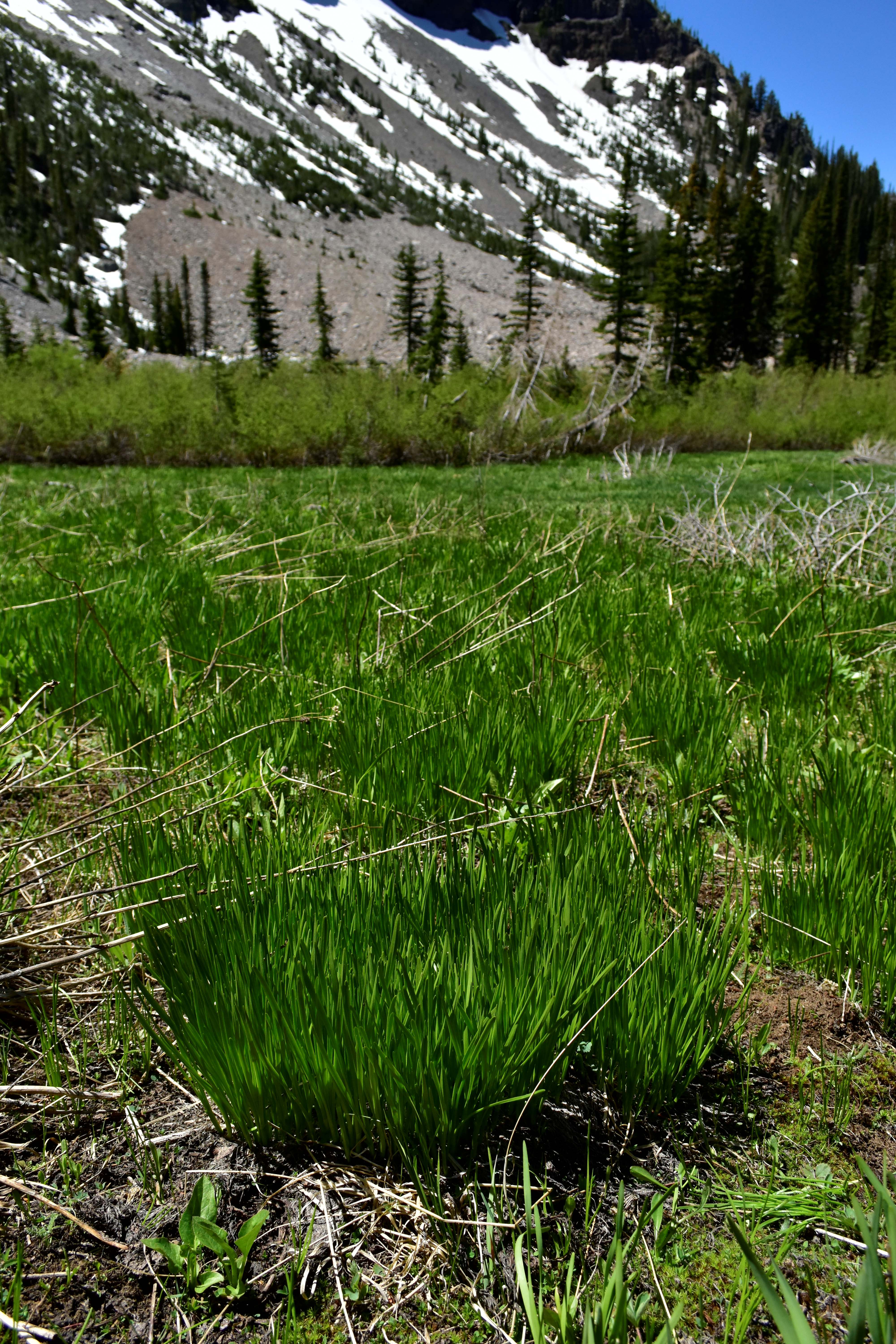
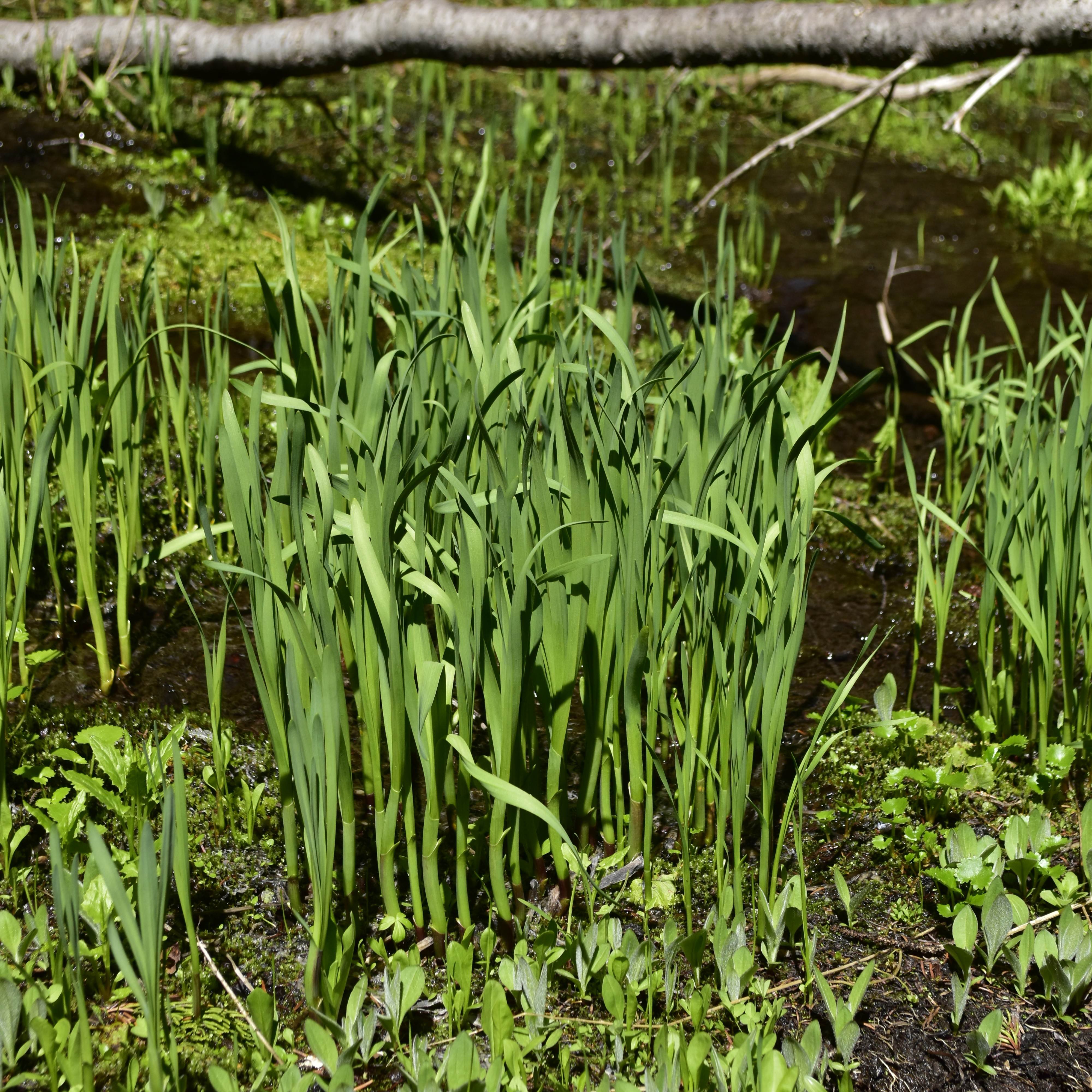
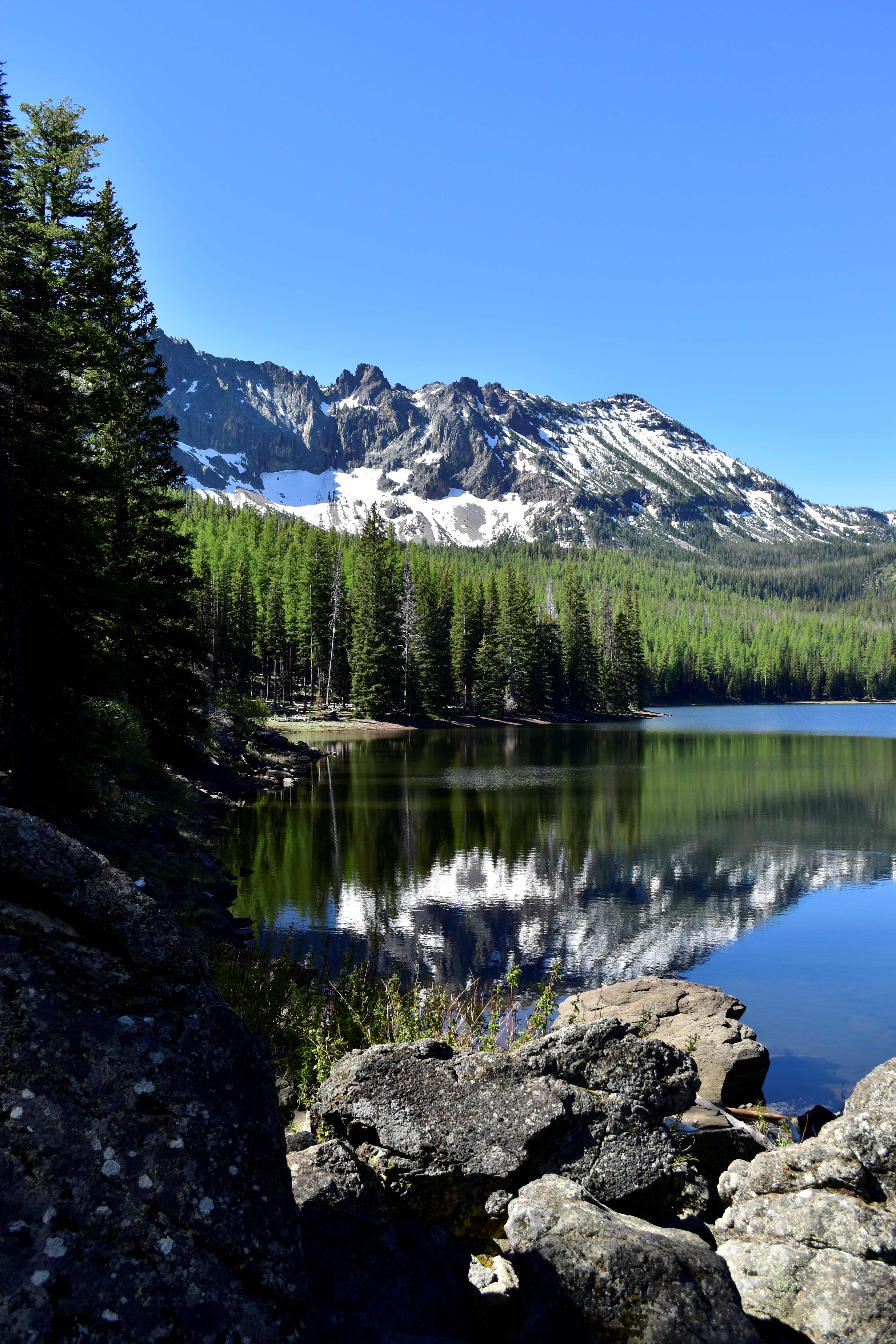
Even though my initial expectation was wrong, I was not at all disappointed in my discovery. Swamp Onion was currently in its prime for its savory tender greens and imagining just how well this would pair with Morels (chef’s kiss), I was ever more determined to create this dish. After a much-needed coffee break, I reorganized a new Morel hunt because my suspicion was that I was still too early at these higher elevations. The plan now was to search again a few thousand feet lower. With the plan set, I clipped a handful of onion greens for the road and back down the trail I went.
My second hike was roughly 4,500ft in elevation. I no more than left my car and cut through a camp site when I immediately spotted a Morel! Then another! And another! More still! My mountain Morel and Onion dish dream was becoming a reality. Even with just a handful of Morels, it was all going to be worth it. With time to kill, I followed around the lake taking in the sights. It was so peaceful, not another person in sight. For a moment I could feel like the only person on earth.
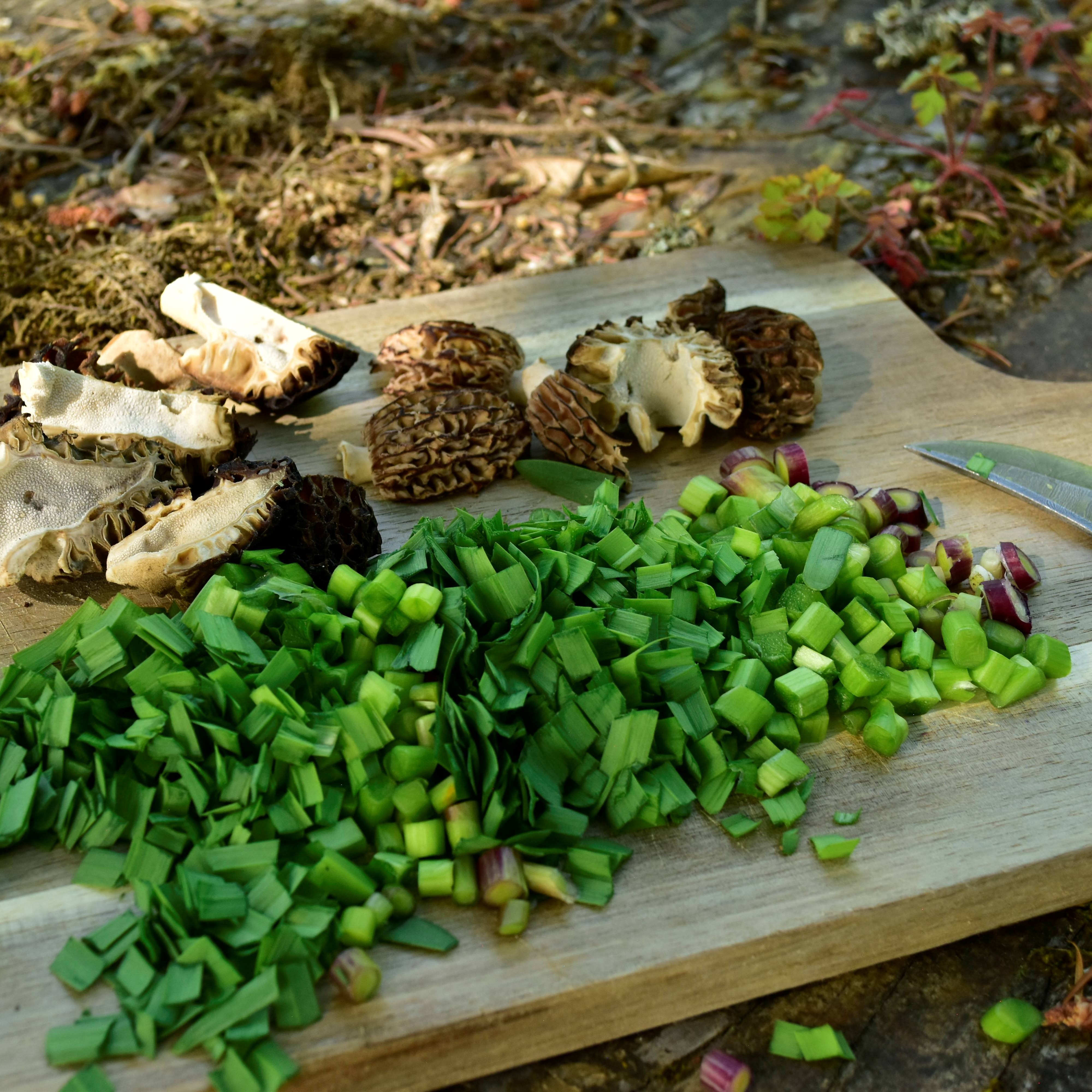
Places like this really make a person think. Such beauty will never be realized on a screen. Such serenity, the kind that heals. It’s these moments where I feel so inspired and yet so incredibly sad. To think of how far removed from nature we’ve become as a species. How quickly life passes by. How we shut ourselves into decorated boxes, sitting on plastic couches and wearing plastic clothing, staring at a screen, caring about things because we’re told to. It’s funny where a person’s thoughts go OR perhaps it’s where our thoughts should always be… If only we weren’t pacified so effectively. Friends, readers, don’t let your life slip between your fingers. Get outside, somewhere new! Make it your moment. Because every moment you experience is your slice of space/time that will only be occupied by you, ever… Let that sink in.
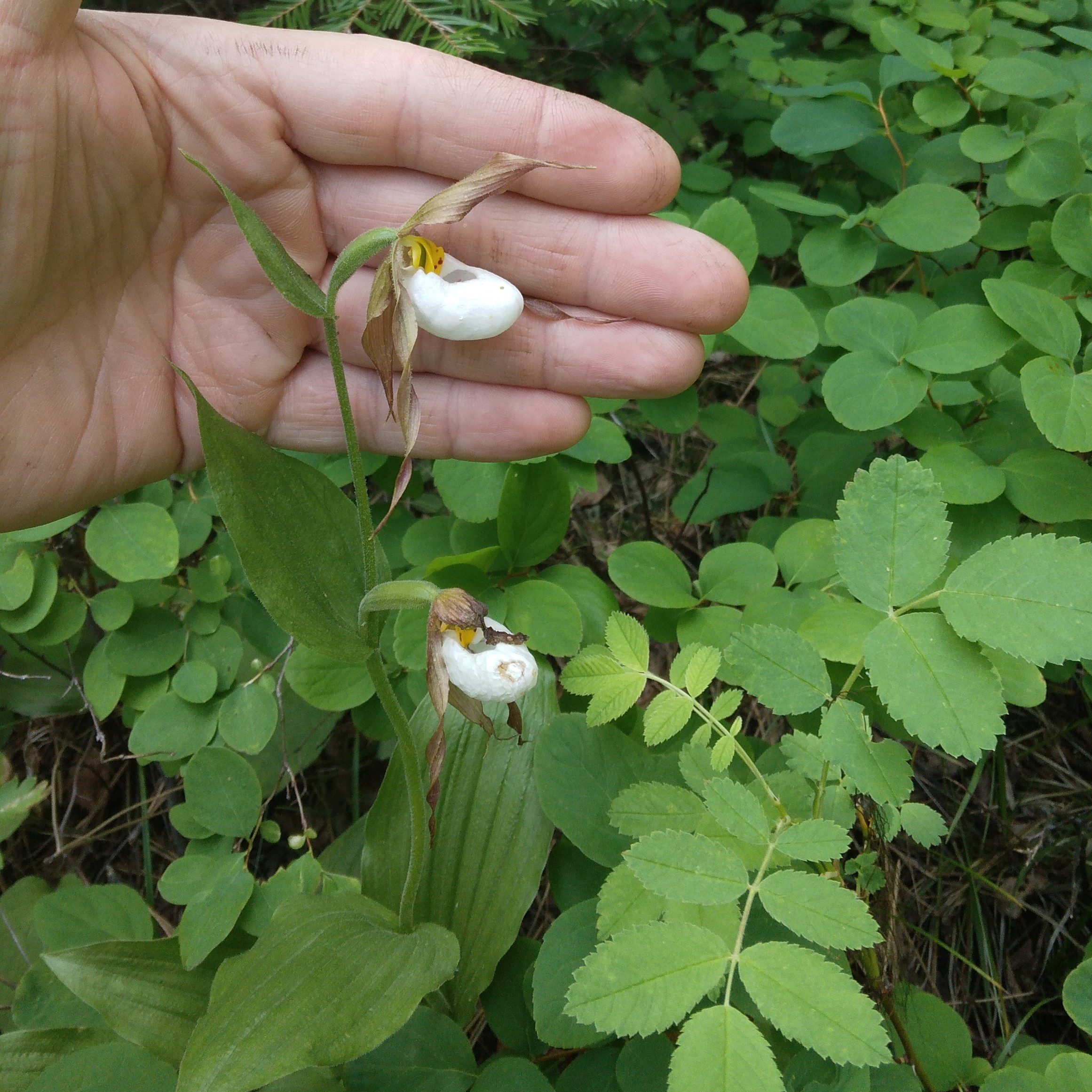
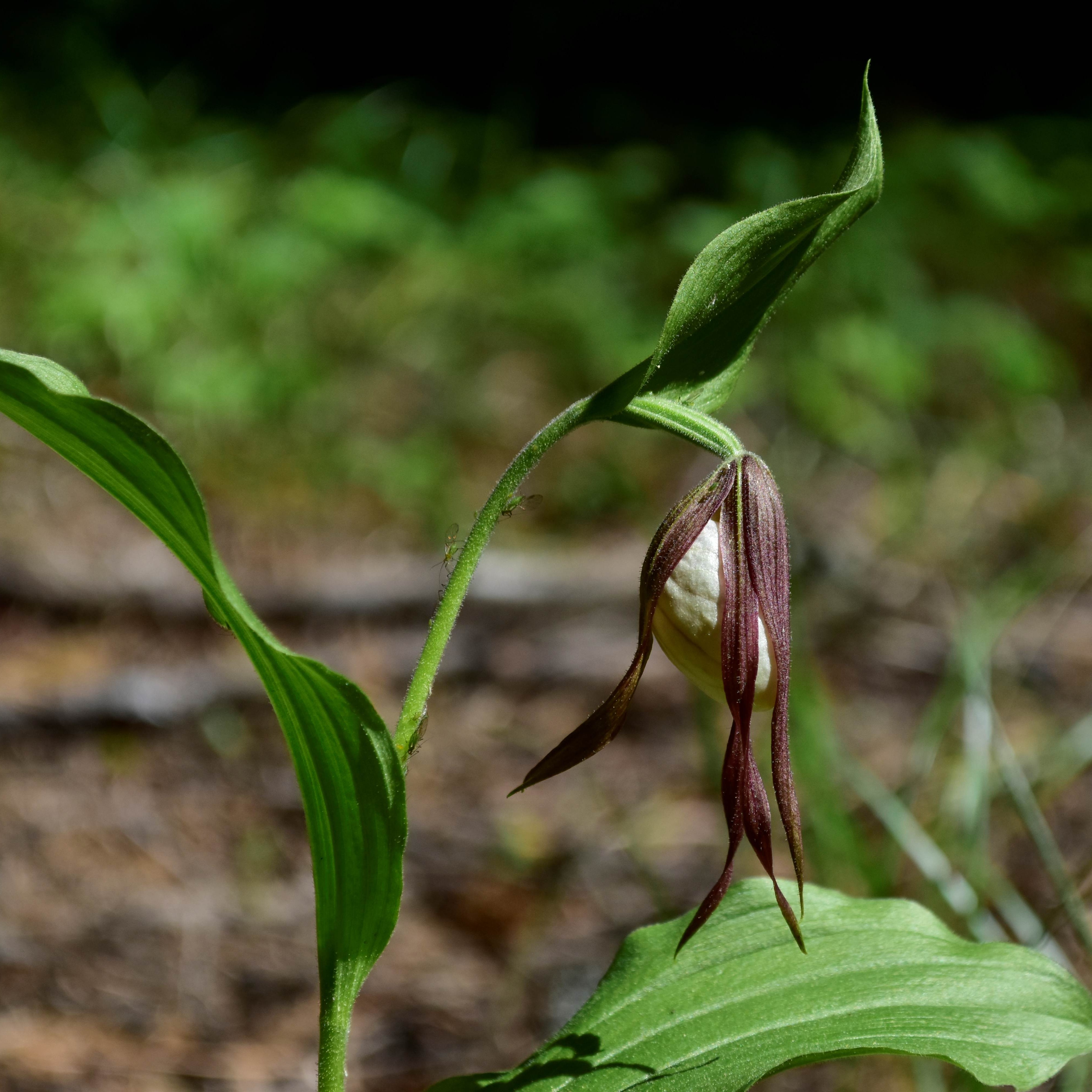
Nearing the end of this hike I was treated with one of our native orchids. It’s called the Mountain Lady Slipper Orchid (Cypripedium montanum) and it’s currently on the Oregon watch list for conservation concerns. Between habitat loss and overharvesting, it’s becoming harder and harder to find. Many well-intentioned enthusiasts have inadvertently killed these plants by transplanting them for “protective” purposes. They do not transplant and will die within the first year or two of doing so. As a side note, the punctuality of their blooms is remarkable to me. The first photo below was taken a few years back and shows an opened bloom just a week later in June. The timing lines up well, considering the second photo will likely look just like the first photo a week later.
Leaving the mountains and on my way home, it was clear that this second-chance spring was in full force. With so many plants and wildflowers having edible potential, I could have easily spent many days discovering, identifying, and documenting. But alas, the road was calling and homeward bound I went.
Thank you for reading. Please subscribe for more content.
As always,
Happy Foraging!
All photographs of Henry Holly are the original work of the creator and are fully protected under U.S. and international copyright law. Commercial use, reproduction, distribution, or modification of these images is strictly prohibited without prior written permission.
Non‑profit organizations — including universities, state and national parks, educators, and conservation programs — are encouraged to reach out to request permission for approved educational use.
Discover more from The Northwest Forager™
Subscribe to get the latest posts sent to your email.

